Stanley ong tze kiat 0905905F
Disneyization of Japan
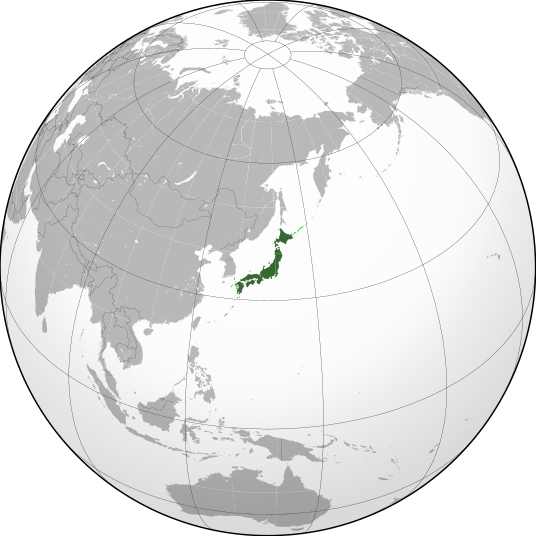
Disneyization of Japan
Overview of Japan
Cultures and Traditions
Since its original culture, the Jomon culture, in 14,000 BCE to 300 BCE, Japanese culture had evolved greatly over the years to its contemporary culture which shows and combines influences from other regions of the world, such as Asia , Europe and North America .
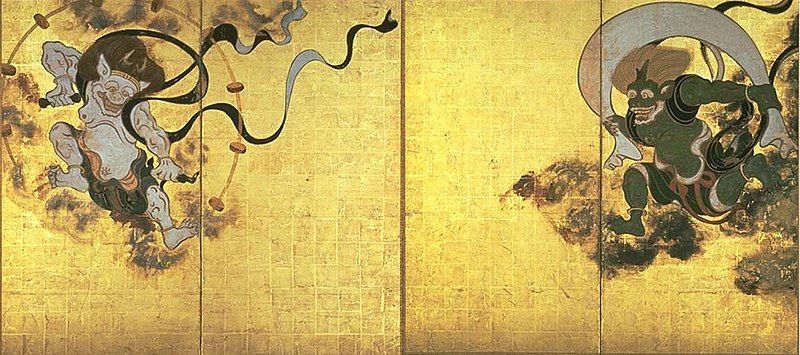
However Japanese still proudly uphold their traditional culture which includes arts, music, traditional clothing, architecture, cuisines and ceremonies. The evolution of Japanese culture can be clearly seen from its Manga which is a comic that has been created from the fusion of traditional woodblock printing and western arts. This led to the creation of Anime which is a creation of Japanese Manga influenced animation for television and films. Also this evolution can be seen from its music culture, Japanese music is a creation from different country which its burrowed instruments. Many instruments such as Koto were introduced in the early 14th century. Western classical music was later introduced in the late nineteenth century. Post war Japan
However traditional cultures are still being strictly upheld in the contemporary Japan


Indigenous people
The Ainu are the only indigenous people or group in Japan Hokkaido Kuril Island Sakhalin . A majority of Ainu people still live within the same region although the total population of Ainu remains unknown. Ainu people spoke in their native Ainu language and their related dialects. Because of intermarriages with Japanese, pure Ainu people are hard to find and because of ethnic issues in Japan

Language of Japan
There is no official language in Japan

Education in Japan
Education is compulsory at primary and lower secondary levels. Although it is not compulsory for students to undergo education at any higher level than lower secondary, most students progress and promotes to the upper secondary level.
At levels of lower secondary level and below, students attend public schools, but they can choose to go for private education when they have reached the upper secondary level, which has become increasingly popular amongst Japan
Students undergo 3 years of education at lower secondary and 6 years of education at primary level, prior to that, education is available at kindergartens and day care centers. The education system in Japan Singapore Japan Japan Japan

Leisure, festivals, events, sports,
There are many forms of leisure in Japan Japan Japan Japan


.
What is the country known for?

Disneyfication, is a recently created term use to describe the transformation of something. Usually its used to describe the transformation of a society to the themes and cultures of Walt disney’s theme parks. In general, this transformation carries with it negative views, such as the homogenization of merchandising and causing the place where disneyfication is occurring to lose its originality. Disneyization is seen as a globalizing force which spreads the principles associated with Disney theme parks around the world.
Theming is the process of creating a holistic and integrated consumer venue. Theming is applied to themed spaces which may include theme parks, restaurants, resorts and other spaces. Theming can give the themed product additional value as it is a process of differentiating the product which adds a unique selling point to the product.
Theming has resulted the change in consumer’s perception to be digressed away from the true and actual significance of the attraction. For example the Tokyo Japan Japan Tokyo Tokyo Tokyo

Hybrid consumption
Hybrid consumption is defined as a general trend whereby the forms of consumption from different aspects have become interlocked and interlinked with each other. Tokyo Tokyo Tokyo

Merchandising
Merchandising is defined as the promotion and sales of goods using copyrights, logos and images. Merchandising can be observed in the Tokyo Tokyo Tokyo

Performative labour
Performative labour refers to the tendency for management to deliberately set frontline service staff to be viewed as a performance; one of the best examples is Mascots. Performative Labour can be seen in Tokyo

In conclusion, disneyization can be seen in the Tokyo Tokyo Tokyo Tokyo Tokyo Tokyo
References:
http://www.canyons.edu/Faculty/haugent
/Disneyization%20of%20Society%20Article.pdf
http://www.tokyotower.co.jp/english/
http://fasnafan.tripod.com/disneyization.pdf
http://www.canyons.edu/Faculty/haugent/Disneyization%20of%20Society%20Article.pdf
http://en.wikipedia.org/wiki/Japan
http://www.canyons.edu/Faculty/haugent
/Disneyization%20of%20Society%20Article.pdf
http://www.tokyotower.co.jp/english/
http://fasnafan.tripod.com/disneyization.pdf
http://www.canyons.edu/Faculty/haugent/Disneyization%20of%20Society%20Article.pdf
http://en.wikipedia.org/wiki/Japan

No comments:
Post a Comment